Propaganda or Early Human Rights?
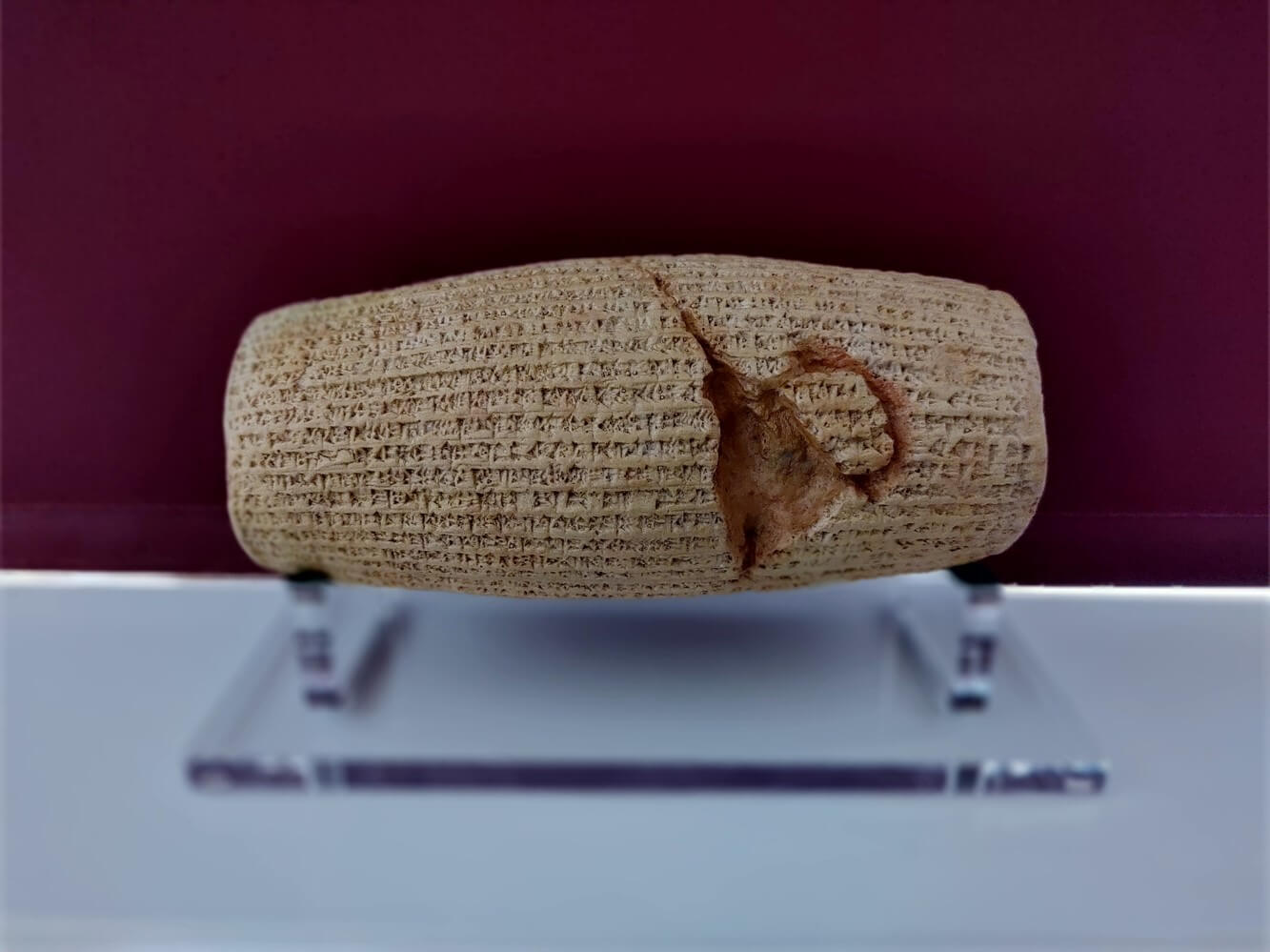
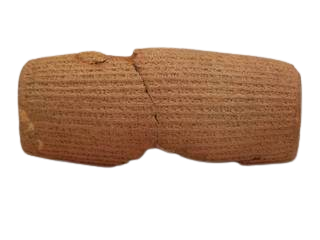
The Cyrus Cylinder is often debated as either propaganda or the first charter of human rights. Some call it propaganda because it was written to support the rule of Cyrus the Great after he conquered Babylon, presenting him as a good and chosen king while criticising the previous ruler, something many ancient kings did to justify their power. At the same time, the text includes policies that seem surprisingly modern, such as allowing displaced people to return to their homelands, restoring temples and religious practices, and promoting a degree of cultural and religious tolerance (Cyrus Cylinder, lines 20–37). Because of this, some people describe it as the first human rights charter. However, it is not a human rights document in the modern sense; rather, it reflects policies that later inspired ideas similar to human rights. Unfortunately, like many ancient objects, its meaning is sometimes distorted, either through political use that reduces its historical value or through claims that exaggerate it as a fully modern human rights document.
The Cyrus Cylinder can be seen as an early inspiration for human rights concepts. UNESCO officially recognises it as “an early charter of human rights and cultural diversity.” Source: UNESCO
The Shape of Cylinder
The shape of Cylinder was traditionally used in ancient Mesopotamia for foundation places – inscriptions buried under large structure such as city walls or temples. As a foreign conqueror, Cyrus used the cylinder shape to establish his respect for local tradition. The text on cylinder never starts and never finishes, It’s endlessly revolving. You come to the end go seamlessly again onto the beginning. It’s a rather ingenious object. It’s a different concept from a sheet of paper, with a start and finish point. It gives more majesty and authority to the document itself. The interesting point is that, even though it’s meant to be read by turning, when you stand in front of it, you’re looking at it right away up. If you go around to the back of the case, you’re looking at it upside down.
Meant To Be Read Before Buried
The object is partly a religious document, and was buried to ask for the ongoing protection of the god of Babylon. Although at the same time, we know it contains a declaration, and [recently discovered] tablet fragments make clear that there were copies of It sent all around the Persian empire. It’s very likely that there were other cylinders buried by Cyrus in Babylon, it’s just that they haven’t been found yet.
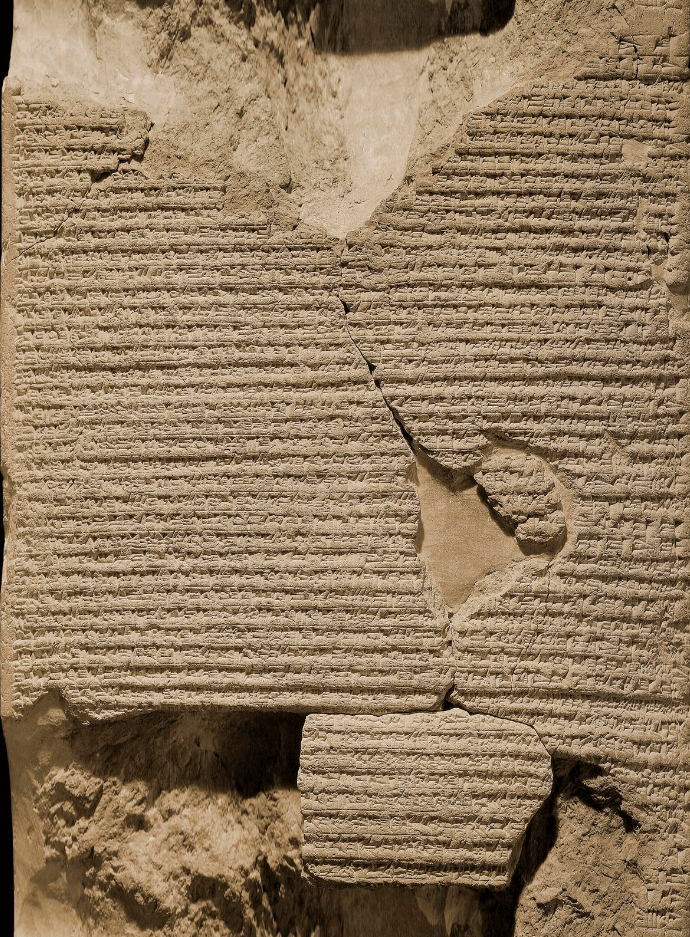
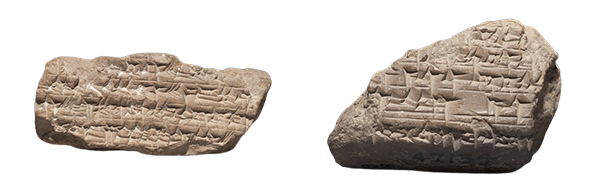
The Two Tablet fragments
The significance of the discovery was that cylinders were made to be buries privately but tablets were made for public announcements.
This discovery showed that Cyrus wanted to publicise what he did in Babylon. He made press releases to tell the empire that he brought peace to Babylon and allowed gods to return to their own sanctuaries and late people how worshipped those gods go back to their lands and temples.
Line 1-2 and 44-45 are restored on the basis of the two clay fragments from a late Babylonian tablet, inscribed with text which duplicates that of the Cyrus cylinder
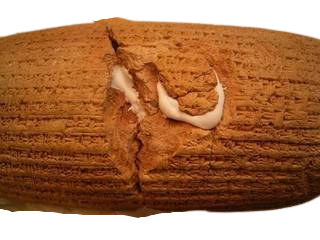
The Cyrus Cylinder Restorations
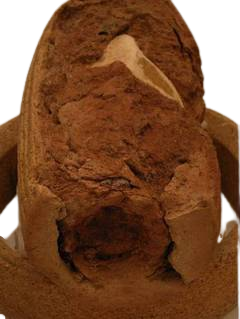
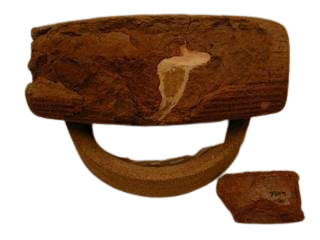
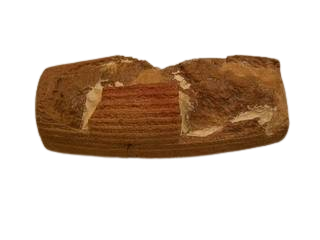
As the Cyrus Cylinder, which is permanently exhibited at the British Museum, sometimes removed from the exhibition and subjected to contemporary conservation. There were several generations of old restorations done. In addition, this object has been subjected to at least one moulding process, some of whose residues were still found in depressions of the object. The bonds between two fragments were softened and undone by acetone compresses. After removing most of the old fillings and cleaning the surface, the two loose fragments were re-glued using acrylic resin. The smaller fragment needed a relining made from a mixture of acrylic resin. Also The British museum re fire their clay tablets for long lasting purposes.
National Museum of Iran
The Cyrus Cylinder exhibition, which was loaned to the National Museum of Iran, ran from 12 September 2010 to 12 January 2011. The joint catalogue produced for this exhibition, along with the special replica gifted by the British Museum to the National Museum of Iran in 2010, was of the highest quality ever made. Video by Dr.Rohama Bordbar.